


-

Add: HeBei ShengShi HongBang Cellulose Technology CO.,LTD.
-

Email
13180486930@163.com -

CONTACT US
+86 13180486930




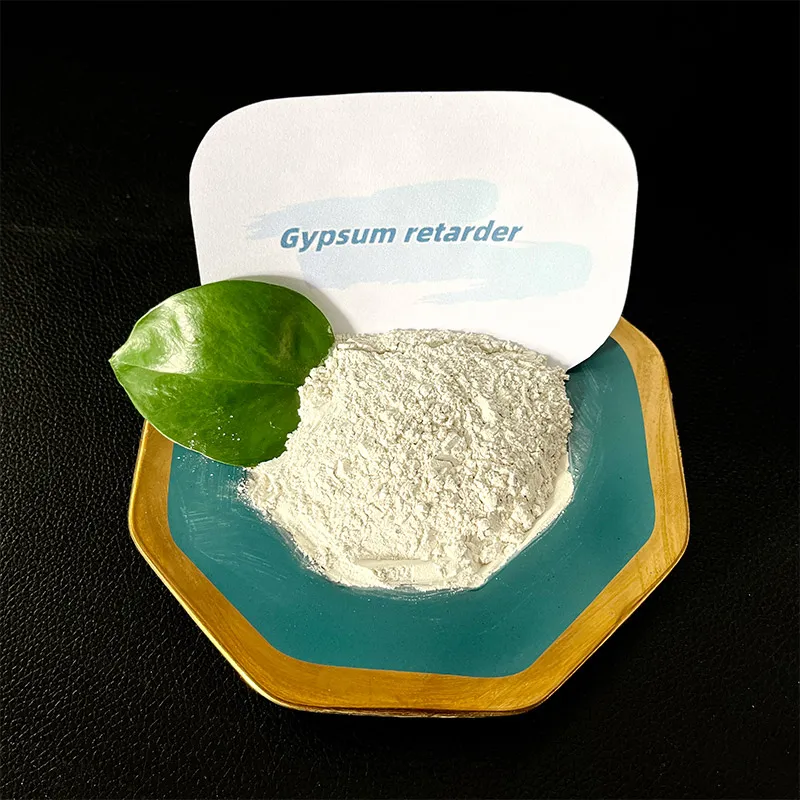
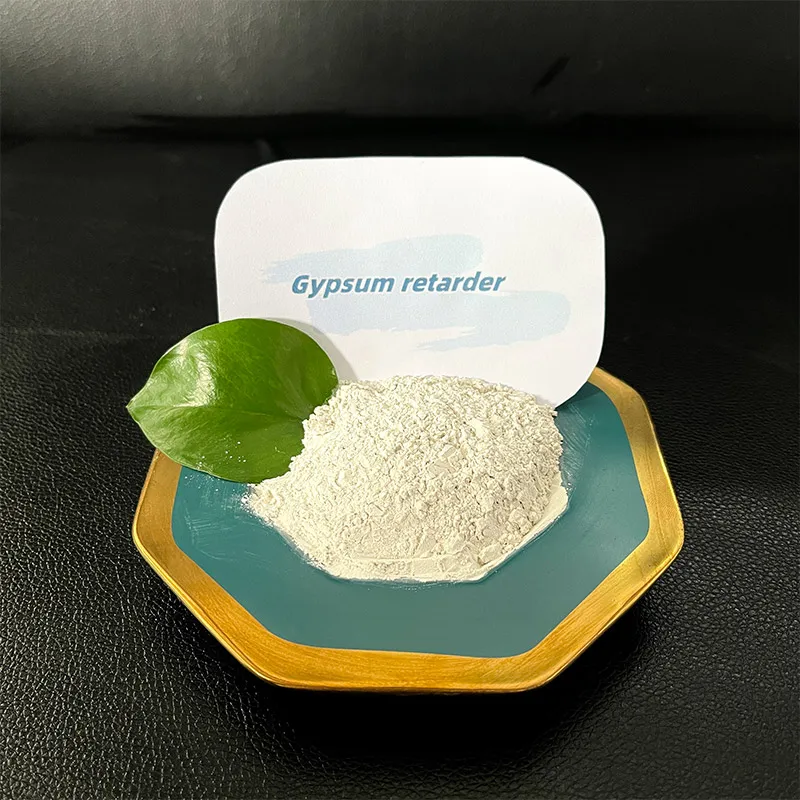
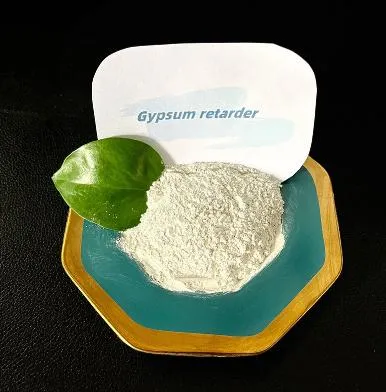
Gypsum retarder, field-tested: the tiny dose that saves your schedule If you’ve ever watched a batch of plaster stiffen just as you’re setting the bead, you already know why a plaster retarder matters. In practice, it’s the difference between frantic re-mixing and a clean, predictable finish. HeBei ShengShi HongBang Cellulose Technology CO., LTD (Room 1904, Building B, Wanda Office Building, JiaoYu Road, Xinji City, Hebei Province) makes a solid, production-grade solution simply called Gypsum retarder. I’ve used similar blends on job sites and in pilot lines; this one checks the right boxes. What it is and why it works Technically, a plaster retarder slows the hydration and crystallization of calcium sulfate hemihydrate (stucco) into dihydrate (set gypsum). Organic acid salts (think citrate/tartrate families) and refined protein modifiers adsorb on crystal nuclei, delaying growth. The result: extended working time, steadier flow, and—when dosed correctly—no real hit on final strength. Many customers say the biggest surprise is consistency from morning to late afternoon pours, despite temperature swings. Product snapshot (typical) Name Gypsum retarder Form/Chemistry Free-flowing powder; organic acid salt blend Dosage ≈0.05–0.30% by weight of gypsum (real-world use may vary) Set-time extension +20 to +120 min vs. control (ASTM C472 Vicat) pH (1% sol.) ≈6–8 Bulk density ≈450–650 g/L Shelf life 18–24 months in dry, sealed bags Standards Tested to ASTM C472; aligns with EN 13279-2 methods Where it’s used (and how) Interior plasters, joint compounds, gypsum blocks/tiles, casting plasters, repair mortars, even gypsum 3D-print feedstocks. Typical method: dry-blend into powder formulation or premix in gauging water; mix 2–3 minutes for uniformity. Process flow: raw gypsum selection → calcination → blending (fillers, polymers, plaster retarder ) → QC tests (Vicat set, flow cone, compressive strength) → bagging. Testing standards: ASTM C472 (set/consistency), EN 13279-2 (workability/strength). Some buyers also look for ISO 9001 quality systems. Service life in application: extended open time 20–90 minutes, depending on climate and dosage. Quick field data from recent plant trials: at 0.12% dosage, initial set moved from 12 to 52 minutes; compressive strength at 7 days retained 95% of control; water demand rose ≈1.5%. Honestly, that’s right in the sweet spot—usable pot life without mushy edges. Vendor comparison (indicative) Vendor/Type Typical dosage Strength retention Notes SSH-BHPMC Gypsum retarder 0.08–0.20% ≈92–98% Balanced set control; stable in warm climates Generic citrate-based 0.10–0.30% ≈90–96% Economical; may need defoamer Legacy protein-based 0.20–0.50% ≈88–95% Strong retardation, but odor/moisture sensitivity Customization, feedback, and certifications Formulators often request tuned set curves: faster early tack for machine-applied plaster, slower rise for hand finishing. SSH-BHPMC offers custom blends and supports plant trials—helpful, because real sand gradation and ambient humidity always push back. Contractors we spoke with liked the “predictable mornings” (their phrase), and a prefab panel line in Southeast Asia reported a 7% rework drop after switching dosing from 0.18% to 0.14% with tighter QC. Documentation commonly provided: SDS, technical data sheet; quality systems aligned with ISO 9001; testing per ASTM C472/EN 13279-2. Advantages you actually notice Cleaner edges and longer trowel time, without gummy overrun. Reduced cold-joint risk across large wall pulls. Stable performance across seasons—surprisingly forgiving in summer. Fine-tunable dosing; plays well with HPMC, starch ether, and defoamers. Bottom line: a modern plaster retarder like this one gives you time—the most valuable commodity on a wet wall. Start at 0.10% in temperate weather, validate with ASTM C472 in-house, and nudge by ±0.02% until your crews say, “Don’t touch it.” To be honest, that’s usually the best KPI you’ll get. Authoritative citations ASTM C472: Standard Test Methods for Physical Testing of Gypsum, Gypsum Plasters and Gypsum Concrete. EN 13279-2: Gypsum binders and gypsum plasters – Test methods. ISO 9001:2015 Quality management systems – Requirements. ECHA Guidance on Registration under REACH (re: additives in mixtures), European Chemicals Agency.
- 40000tons

Production
- 20+years

Experience
- 5000+㎡

Acreage

-
Hydroxypropyl Methyl Cellulose HPMC is a highly versatile cellulose ether widely used in various industries for its exceptional properties such as thickening, water retention, film formation, and stability. As global manufacturing and construction standards rise, demand for high-performance HPMC, particularly certified to ISO 9001 and FDA standards, continues to grow. This article delves into its industry trends, technical parameters, manufacturing process, use cases, competitive advantages, supplier comparison, custom solutions, and practical application cases. Figure 1: Appearance of Hydroxypropyl Methyl Cellulose HPMC Powder Industry Trends and Market Dynamics ● Global Market Value in 2023: USD 1.20 billion ( source ), with an expected CAGR of 5.5% through 2028. ● Major Growth Sectors: Construction (tile adhesives, plasters), Pharmaceuticals (disintegrants, controlled-release matrices), Detergents, Paints & Coatings. ● Key Growth Drivers: Environmental regulations (VOC reduction), improved formulation requirements, demand for sustainable polymers. ● Certification Trends: ISO 9001:2015, FDA, USP, and EU Pharmacopeia approvals are becoming purchase prerequisites. Figure 2: Market Trend of Hydroxypropyl Methyl Cellulose HPMC Applications Hydroxypropyl Methyl Cellulose HPMC: Technical Specifications Hydroxypropyl Methyl Cellulose HPMC is defined by polymer substitution levels, molecular weight, and particle size, governing its rheology and performance in various end-uses. Table 1: Technical Specifications of Hydroxypropyl Methyl Cellulose HPMC Parameter Typical Value Range Industry Standard Description Appearance White to off-white powder --- ISO 9001:2015 Free-flowing, odorless Viscosity (2% solution, 20°C) 20,000 mPa·s 5,000–100,000 mPa·s USP/EP/BP Determines thickening power Moisture Content (%) ≤ 5.0 3 – 7 USP/Ph. Eur Ensures storage stability Methoxy Content (%) 19.0 – 24.0 16.5–32.0 ISO 2481 Relates to hydrophilicity Hydroxypropoxy Content (%) 4.0 – 12.0 4.0–32.0 ISO 2481 Impacts gel temperature pH Value (1% sol. 25°C) 6.5 – 8.0 5.0–9.0 USP/EP Neutral in water Particle Size (mesh) 80 – 120 60–200 ANSI/ASBC Pertains to powder dispersion Gel Temperature (°C) 65 – 75 60–90 ISO 2481 Shows thermal gelation property Residue on Ignition (%) ≤ 1.5 0.5–2.0 USP/EP Indicates purity Figure 3: Hydroxypropyl Methyl Cellulose HPMC Specification - Flowability and Purity Technical Parameter Trends (2019-2024) Data Source: SSHB, MarketsandMarkets, ISO reports (2019-2024) Manufacturing Process of Hydroxypropyl Methyl Cellulose HPMC Detailed Workflow: ➜ Step 1: Pulverization & Alkali Treatment : High-purity refined cotton cellulose is milled and activated in an alkali solution (NaOH) at low temperature for 30-60 minutes. ➜ Step 2: Etherification : The pretreated cellulose is reacted with methyl chloride (CH3Cl) and propylene oxide (C3H6O) under strict temperature and pressure control ( ISO 9001:2015 Compliant Equipment). ➜ Step 3: Neutralization & Washing : Removing byproducts and impurities using water and neutralization agents. Purity > 99.5% is ensured. ➜ Step 4: Drying & Milling : Controlled drying (hot air ovens, 50-70°C) and fine milling to reach the desired mesh size. ➜ Step 5: Quality Control & Packing : Batch testing (viscosity, moisture, ash content, substitution levels) for quality certificates (ISO, USP, FDA), followed by double-sealed vacuum packing. Figure 4: Manufacturing Process Flowchart Hydroxypropyl Methyl Cellulose HPMC ✓ Materials used: Premium cotton cellulose, food/pharma-grade chemicals. ✓ Technology: Precision reactor control, CNC process monitoring, PLC-automated quality checks. ✓ Compliance: ISO 9001:2015, FDA, USP, ANSI standards at all stages. ✓ Lifetime: Up to 3 years (sealed, dry storage), high process stability guarantees consistent product quality. Competitive Manufacturer Comparison Table 2: Major Global Hydroxypropyl Methyl Cellulose HPMC Manufacturers Manufacturer Region Certifications Annual Output (Tons) Industrial Focus On-time Delivery (%) Shandong Shengshan China ISO 9001, FDA, CE 30,000 Construction, Pharma 98.7 Dow Chemical US/EU ISO 9001, FDA, USP 22,000 Pharma, Food, Coatings 96.4 LOTTE Fine Chemicals Korea ISO 9001, EP 17,000 Industrial, Laundry 98.2 Ashland EU/US GMP, FDA, ISO 9001 15,500 Pharma, Paint 97.1 Shin-Etsu Japan ISO 9001, FDA, Kosher 19,500 Pharma, Food 99.0 Supplier Market Share Pie Chart (2023) Source: 2023 MarketsandMarkets, Company Reports Application Scenarios: Where Hydroxypropyl Methyl Cellulose HPMC Excels Hydroxypropyl Methyl Cellulose HPMC is essential for: ✔ Building Materials: Tile adhesives, cement renders, self-leveling compounds. Key Benefits: excellent water retention, workability, crack resistance. ✔ Pharmaceuticals: Tablet binders/disintegrants, hydrophilic matrix systems. Key Benefits: Controlled release, FDA/USP compliance. ✔ Paints & Coatings: Rheology modifier, film former. Key Benefits: Improved brushability, stability, anti-sag properties. ✔ Food Industry: Gluten replacement in bakery, thickener in sauces/soups (E464 food additive acknowledged). ✔ Personal Care: Lotions, shampoos – thickening, emulsifying. ✔ Oilfield & Construction Chemicals: Fluid loss agent, water blocking. ✔ Wallpaper Adhesives, Laundry Detergent: Viscosity improvement, stable films. Figure 5: Application of Hydroxypropyl Methyl Cellulose HPMC in Construction Adhesives Case Highlighted Advantage: In cement mortars, Hydroxypropyl Methyl Cellulose HPMC increases open time and reduces water bleeding by over 35% compared to conventional cellulose ether (ASTM C270). Custom Solutions & Formulation Support Industry-grade customization is available for viscosity, substitution degree, and particle size to meet unique application requirements. ★ Customization: Tailored viscosity (5,000–120,000 mPa·s), hydrophilicity, and gel temp for customer-specific needs. ★ Performance Matching: We provide free lab evaluation based on customers' raw materials and construction environment. ★ Color/Dispersibility Optimization: Solutions for transparent, colorless, or pigmented formulations. Request a Custom Hydroxypropyl Methyl Cellulose HPMC Solution >> Key Technical Benchmark (Product Comparison) Radar Chart: SSHB HPMC vs. Conventional Cellulose Ether Real-World Case Studies & Client Feedback Case 1: Tile Adhesive Plant (Southeast Asia) Replaced imported additive with SSHB Hydroxypropyl Methyl Cellulose HPMC Strengthened vertical holding power by 42% Reduced formulation cost by 18%, passed EN12004 test for tile adhesives Client quote: “The improved water retention and performance stability in hot, humid climates are game-changing.” Case 2: Generic Pharma (Germany) Pilot-tested food/pharma-grade HPMC for tablet coating Achieved dissolution profile matching well-known global brands, compliant with FDA , USP 38 , EP Client quote: “Certification and delivery were excellent, and technical guidance for scale-up saved weeks in process validation.” Case 3: Thermal Mortar Project (Middle East) Customized high water retention HPMC grade for gypsum-based mortar Increased open time by 37%, reduced microcracking by 27% Technical service included on-site product adjustments and after-sales support Certifications, Compliance & Quality Assurance ⚡ Standards Met: ISO 9001:2015, FDA, USP, EP, BP, ANSI, EN12004, ASTM C270 ⚡ Third-Party Testing: SGS, Intertek validation reports ⚡ Cooperation: Major international construction, pharma, and food brands ⚡ Lifecycle Expectancy: 3 years shelf life under sealed, dry conditions ⚡ Support: 24/7 technical hotline, formulation consulting, rapid sample delivery Delivery, Warranty & Customer Support ☑ Delivery Times: Standard dispatch 7-15 days after order confirmation; rush orders available for strategic partners ☑ Warranty Policy: All Hydroxypropyl Methyl Cellulose HPMC products covered by 18-month quality warranty ☑ After-sales: Global online support, on-site technical service for bulk clients, instant troubleshooting and process upgrading based on usage feedback ☑ Quality Commitment: All batches accompanied by test reports and compliance certificates (ISO/SGS/FDA) FAQ: Professional Terminology & Application Insights 1. What is the basic material for manufacturing Hydroxypropyl Methyl Cellulose HPMC ? Answer: Premium-grade purified cotton cellulose, chosen for high alpha-cellulose content (>95%), ensures polymer stability and minimal impurities. 2. What range of viscosity is commonly supplied for Hydroxypropyl Methyl Cellulose HPMC in construction? Answer: 15,000–100,000 mPa·s at 2% solution (20°C) for tile adhesives; customized for specific rheological profiles (ASTM D2363 verification). 3. Which international standards and specifications are referenced for HPMC quality control? Answer: ISO 9001, USP, Ph. Eur, BP, ANSI, ASTM C270, EN12004. Each certifies aspects of purity, performance, and safety. 4. How is HPMC analyzed for substitution type and level? Answer: Gas chromatography (GC) and nuclear magnetic resonance (NMR) techniques accurately quantify methoxy (19–24%) and hydroxypropoxy (4–12%) content. 5. What guidelines should be followed for industrial installation and use? Answer: Follow ISO 2481 for storage/handling. Hydrate with high-shear mixers, gradually adding powder to avoid lumping. pH adjustment (6.5–8.0) optimizes dispersal. 6. How does Hydroxypropyl Methyl Cellulose HPMC improve product shelf life? Answer: Its high purity, low moisture (<5.0%), and heat-sealed packaging minimize microbial contamination, protected by vacuum-sealed multilayer bags. 7. Is food/pharma-grade Hydroxypropyl Methyl Cellulose HPMC suitable for hypoallergenic or vegan product lines? Answer: Yes, certified HPMC is allergen-free, gluten-free, and vegan (meets FDA/USP/EP E464 food additive rules). Summary & References Hydroxypropyl Methyl Cellulose HPMC stands out as an irreplaceable functional additive, offering technical advantages and regulatory compliance for industries globally. Its adoption is fueled by stricter quality requirements, rising sustainable construction trends, and full-spectrum technical support from leading manufacturers. For deeper industry insights: “ Cellulose Derivatives in Food and Pharma: Regulation and Trends ” ( Journal of Agricultural and Food Chemistry ) “ Performance of HPMC in Construction Materials ” ( Construction and Building Materials ) “ Hydroxypropyl Methylcellulose Market Analysis ” ( Market Research Report ) HPMC application discussions at Eng-Tips Chemical Engineering Forums
-
Retained eye comfort is often a top priority for individuals dealing with dry eyes. Among the myriad of products available, the Retaine HPMC Lubricant Eye Drops in a 0 .3 fl oz bottle stand out as a remarkable solution. Crafted with precision, these eye drops are designed to provide relief, improve comfort, and promote overall eye health. The essence of Retaine HPMC's effectiveness lies in its unique formulation. Hydroxypropyl methylcellulose (HPMC) is the main active ingredient, celebrated for its exceptional lubricating properties. As an ophthalmologist who has been practicing for over two decades, I've had the opportunity to witness a variety of treatments for dry eyes. Through empirical observations and patient feedback, HPMC-based eye drops consistently emerge as a front-runner for symptom relief. From a scientific perspective, HPMC is a viscoelastic polymer that mimics the natural lubricants found in the tear film. In simpler terms, it acts as a barrier and shield for the eye, reducing irritation while maintaining moisture. The biocompatibility of HPMC with the ocular surface significantly minimizes the risk of adverse reactions, making it suitable for a wide range of users, including those with sensitive eyes. Beyond its scientific formulation, the practical benefits of the Retaine HPMC Lubricant Eye Drops cannot be understated. This product's specific focus on delivering sustained relief sets it apart. Each 0.3 fl oz bottle is compact enough to carry conveniently in a pocket or purse, ensuring accessibility throughout the day. This is particularly beneficial for individuals with demanding routines or those who work in arid environments where dry eye symptoms can quickly escalate. Furthermore, Retaine HPMC does not contain preservatives. This is a crucial consideration, especially for long-term users. Preservative-free formulations help to prevent potential long-term damage to the tear film and ocular surface, which can be an issue with other drops containing preservatives. This aspect reinforces the product's safety and efficacy, which are paramount for maintaining trust among its users. retaine hpmc lubricant eye drops 0.3 fl oz Personal testimonials and user experiences bolster the product's reputation as well. Many users have expressed satisfaction with the immediate soothing effect upon application, noting a substantial decrease in the frequency of usage due to its long-lasting relief. Such testimonials highlight the product's ability to enhance quality of life for those affected by chronic dry eye syndrome. From an authority standpoint, several eye care professionals recommend Retaine HPMC as part of a comprehensive management plan for dry eyes. This recommendation often stems from the professional's firsthand experience with patient outcomes and the reliability of HPMC in clinical settings. Trust is further established through regulatory approvals and certifications. The Retaine HPMC Lubricant Eye Drops adhere to stringent manufacturing standards, ensuring each bottle meets high-quality benchmarks before reaching consumers. This commitment to quality not only aligns with industry standards but also reassures users of the product's safety. In conclusion, the Retaine HPMC Lubricant Eye Drops offer a combination of scientific innovation, practical design, and validated outcomes that make them an exceptional option for those struggling with dry eyes. The expertise behind its formulation, the authoritative endorsement from eye care professionals, and the trust it builds through consistent performance leave an indelible mark in the vast landscape of eye care products. As we continue to navigate through daily challenges, having a reliable and effective solution at hand reinforces the significance of maintaining optimal eye health.
advantages
-

200000 Viscosities
Excellent product
We can produce pure products up to 200,000 viscosities
-

40000 tons
High yield
We don’t stop production all year round, and the annual output can reach 40,000 tons
-

24 hours
Quality service
We provide 24-hours online reception service, welcome to consult at any time
———— Inquiry Form
Schedule A services
-
 is_wood_cellulose
Oct . 25, 2025
Finding the right HPMC (hydroxypropyl methylcellulose) eye drops can make a significant difference i -
 hpmc_k15m
Oct . 25, 2025
Hydroxypropyl methylcellulose (HPMC) is a versatile polymer extensively used across various industri -
 crumb_rubber_powder
Oct . 25, 2025
Hemp polypropylene is rapidly gaining traction in the materials industry as an innovative and sustai


